The Journal / Supply Chain
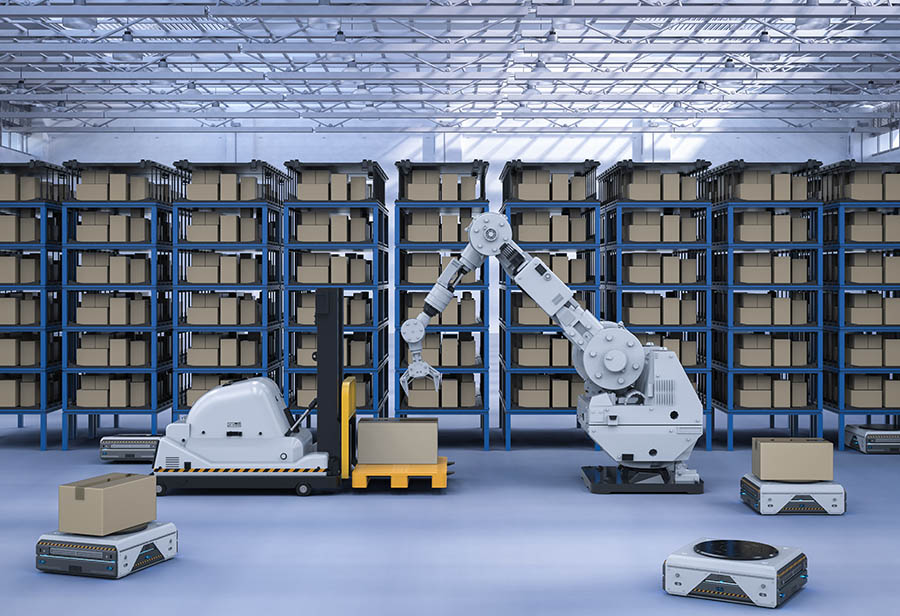
The AI Renaissance in Supply Chain
By Rachid Labrik · · 4 min
Every renaissance begins quietly. In supply chain, AI is not replacing people. It is amplifying judgment, transforming planning, inventory, and execution into adaptive, learning systems.
The AI Renaissance in Supply Chain
Not a wave of hype, but a fundamental shift in how decisions are made.
Every renaissance begins quietly.
Not with noise. Not with hype.
But with a shift in how people think, decide, and act. That’s what is happening right now in supply chain.
Despite the headlines, this is not about flashy demos or futuristic promises. It’s about something far more fundamental.
A change in how decisions are made inside planning rooms, warehouses, and control towers. A change in how humans and machines work together under pressure.
I’ve lived through several waves of “digital transformation” in supply chain. Most failed not because the technology was weak, but because the thinking stayed old.
This time is different.

Before AI, We Optimized Blindly
Assumptions scaled beyond their limits
For decades, supply chains were built on assumptions. Static forecasts. Rigid rules. Spreadsheet logic scaled far beyond its limits.
Planners were expected to predict the future with limited signals. WMS systems executed predefined workflows, blind to context. Execution teams reacted instead of anticipating.
When disruptions happened, and they always did, humans compensated with heroics.
Late nights. Manual overrides. Firefighting as a culture.
It worked. Until it didn’t.
Complexity outgrew human-only decision making. Not because people weren’t good enough. But because the system reached its breaking point.
The Shift No One Talks About
AI as an amplifier, not a replacement
AI didn’t enter supply chain as a replacement. It entered as an amplifier.
The real breakthrough is not automation. It’s perception.
Modern AI systems don’t just calculate faster. They see patterns humans can’t. They absorb noise. They learn from variance. They adapt.
- From deterministic planning to probabilistic decision making
- From fixed rules to adaptive behavior
- From hindsight reporting to foresight execution
That’s the renaissance.
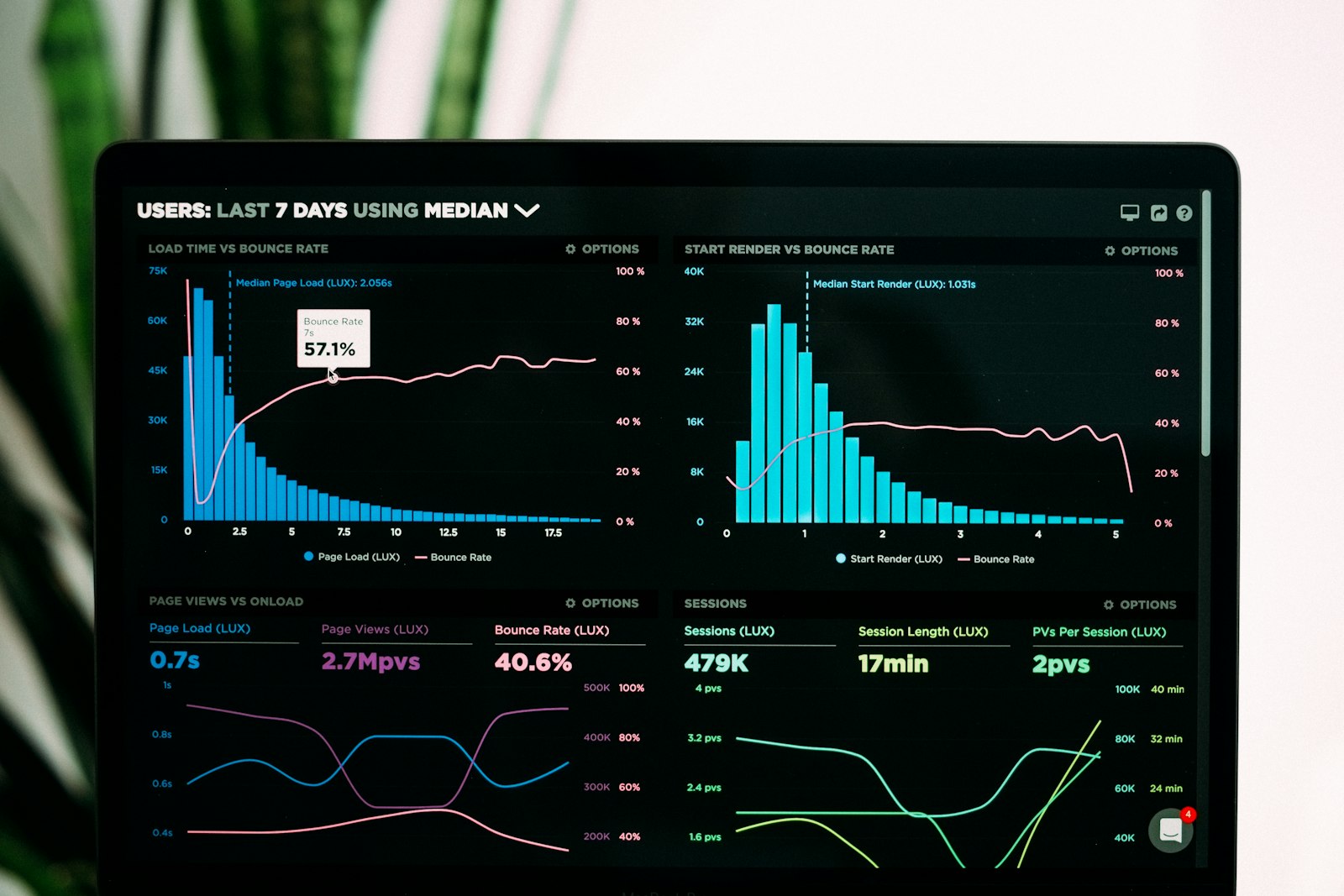
Planning Is No Longer a Monthly Ritual
From frozen forecasts to continuous sensing
In traditional planning, time was the enemy. Forecasts froze weeks before execution. Replanning was painful.
AI changes the rhythm.
Demand sensing models ingest signals continuously: promotions, weather, local events, substitution effects, price elasticity.
Forecasts stop being a number. They become a range with confidence bands.
The planner’s role evolves. Less manual override. More judgment. More orchestration.
Inventory Stops Being a Guess
Risk becomes visible
Inventory has always been a trade-off. Service versus cash. Availability versus risk.
AI reframes the conversation. Instead of asking “How much should we hold?” the system asks “Where does risk truly sit?”
Safety stock adapts to volatility, not averages. Allocation responds to margin, not just volume.
The result is fewer stockouts, lower working capital, and far less emotional decision making.

The Myth of the Fully Autonomous Supply Chain
Human judgment still matters
There is no such thing as a fully autonomous supply chain. And that’s a good thing.
AI handles complexity, scale, and speed. Humans handle judgment, ethics, and trade-offs.
The renaissance is not about removing people. It’s about removing noise so people can think.
From Projects to Capabilities
AI compounds when treated correctly
AI is not a project. It is a capability that compounds.
It requires clean data ownership. Clear decision rights. Strong operational discipline. Feedback loops between planning and execution.
Without this, trust erodes. With it, the system learns. And so does the organization.
The Real Transformation
The real transformation is cultural. Teams move from defending forecasts to improving decisions. From reacting to yesterday to preparing for tomorrow.
This is what the AI renaissance truly delivers. Not magic. Not hype. But clarity in complexity.
The next decade will reward supply chains that are adaptive, not just automated.