The Journal / Leadership
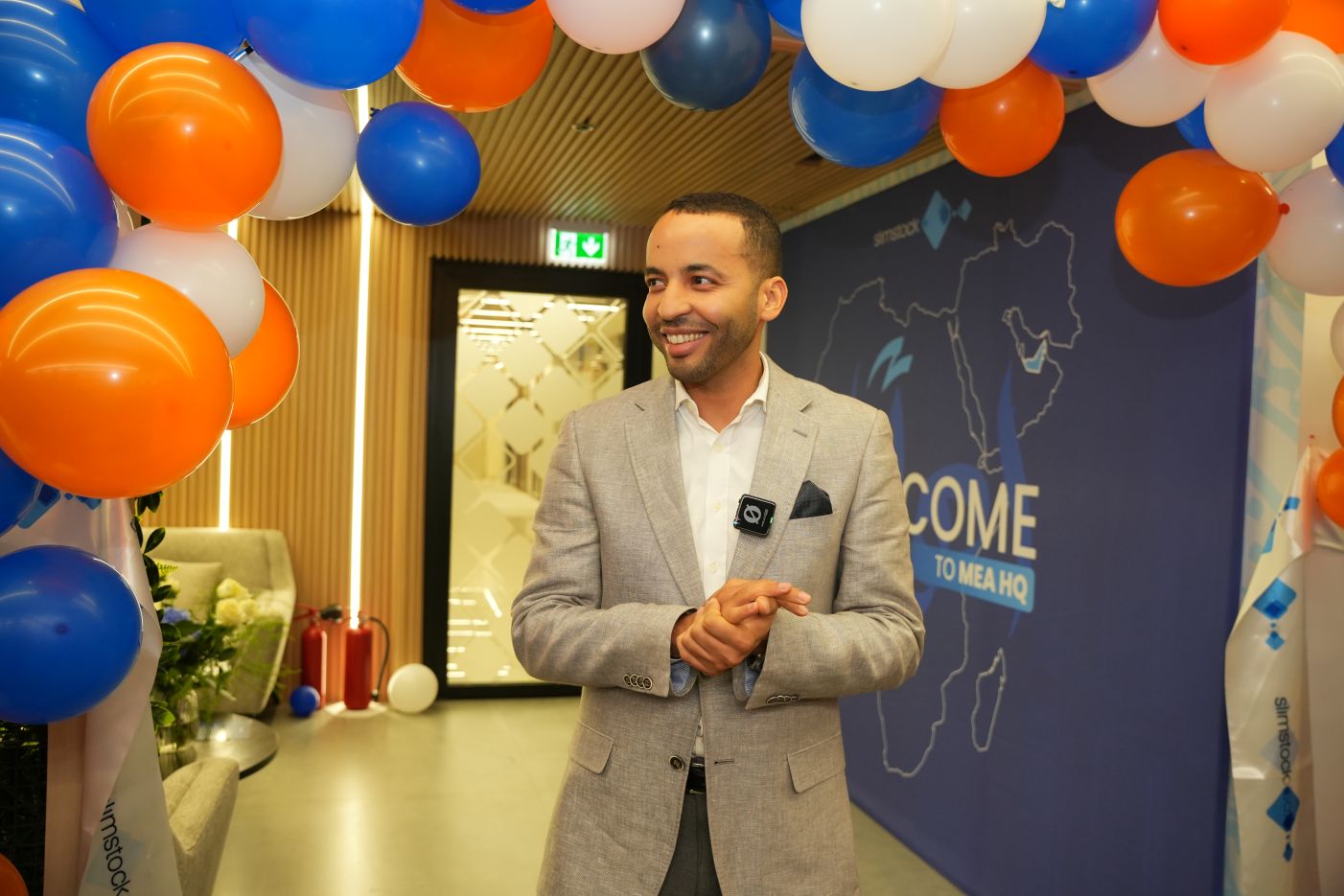
How to lead in MEA ?
By Rachid Labrik · · 3 min
Leadership in the Middle East and Africa demands more than competence. This piece explores why authority, trust, and cultural intelligence matter as much as execution, and how leaders who master nuance, pressure, and relationships earn lasting influence across the region.
How to Lead in MEA
Leadership in the Middle East and Africa is contextual, relational, and constantly tested.
Leadership in MEA is never neutral. It is contextual. It is relational. And it is constantly tested.
What works in one country, one room, or one conversation can fail completely in the next. The rules shift quietly. Expectations are rarely written, and signals are often indirect.
MEA does not reward leaders who apply playbooks blindly. It rewards those who can read the room, respect the culture, and still hold the line. I learned this the hard way.
The Region That Refuses Simplicity
MEA is not one market. It’s dozens. It consists of different histories, different power dynamics, and different relationships to authority, time, and trust.
Yet, many leaders arrive with the same assumption: that competence alone is enough. It isn’t.
In MEA, who you are matters before what you know. Presence precedes process. Trust comes before execution. People don’t follow titles here; they follow conviction, consistency, and respect.
The Language Beneath the Words
One of the first lessons every leader must learn in MEA is that language operates on multiple layers. Taking words literally is a mistake. Understanding intent is the skill.
- A “yes” often means “I hear you.”
- A “maybe” often means “not now.”
- A “no” often means “convince me.”
This is not dishonesty. It’s diplomacy. It’s about preserving relationships while keeping options open. Strong leaders don’t react emotionally to ambiguity. They probe. They confirm. They close loops respectfully but firmly. They ask the second question, then the third.
Authority Without Arrogance
MEA respects authority, but it rejects arrogance. Leaders are expected to be decisive, yet human. Confident, yet respectful. Firm, yet fair.
The balance is subtle:
- Too soft, and you will not be taken seriously.
- Too rigid, and doors will close quietly.
You must show that you can decide, protect your people, and carry pressure without leaking it everywhere. But you must also show humility, especially in cultures where history, seniority, and honor matter deeply.
Leadership here is not about dominance. It’s about earned authority.
Trust Is Built Outside the Meeting Room
In MEA, real decisions rarely happen in formal meetings. They happen over coffee. Over dinner. In moments where people observe who you are when nothing is at stake.
If you rush relationships, you slow outcomes. Leaders who only show up for transactions miss the real work. Trust is built in consistency, in showing up even when there is no immediate gain. This is not inefficiency. It is how alignment is created.
Pressure Is the Default Setting
MEA operates under constant pressure: fast growth, high ambition, and political and economic volatility. People here are used to intensity. They respect leaders who don’t flinch under pressure.
Complaining is not leadership. Composure is.
When things go wrong, and they will, your reaction becomes your reputation. Calm leaders create calm systems. Emotional leaders create chaos. Your team watches closely. So do your partners.
Managing Diversity Without Dilution
MEA teams are deeply diverse. Nationalities, religions, communication styles, and expectations all collide. The mistake is trying to please everyone.
Strong leaders create clarity. They set non-negotiables: values, standards, outcomes. Then, they allow flexibility in how people get there.
Unity does not come from uniformity. It comes from shared direction.
Ambition Must Be Grounded
MEA is ambitious. Bold targets are respected. Big visions are welcomed. But credibility matters more than slogans.
Leaders who overpromise and underdeliver lose trust fast. Leaders who underpromise and execute quietly build power. Ambition here must be backed by discipline.
Say what you will do. Then do it.
The Real Test of Leadership in MEA
The real test is not whether people agree with you. It’s whether they trust you when they don’t.
- Whether they believe you will be fair when pressure rises.
- Whether they believe you will stand by your word.
- Whether they believe you understand them, even when you push them.
That’s leadership in MEA. Not loud. Not rigid. But deeply intentional.
Final Thought
MEA does not need imported leadership models. It needs leaders who listen deeply, decide clearly, and act consistently.
If you can combine cultural intelligence with execution discipline, this region will reward you generously. If you can’t, it will teach you quickly.
And that lesson, like everything in MEA, will be subtle but unforgettable.